
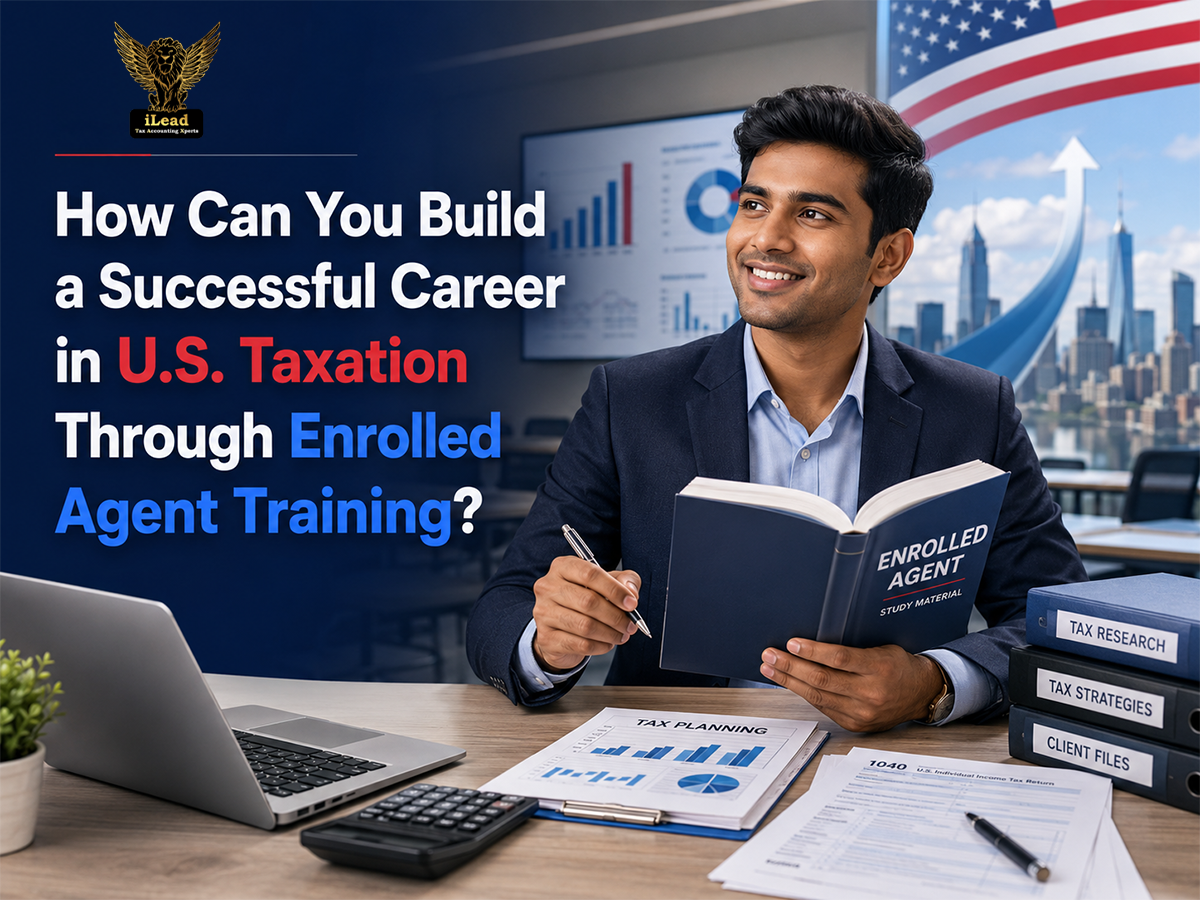
How Can You Build a Successful Career in U.S. Taxation Through Enrolled Agent Training?
To build a successful career in U.S. taxation, becoming an Enrolled Agent (EA) is key. You’ll start by obtaining a PTIN and mastering the certification exam, focusing on deepening your tax knowledge. An enrolled agent course can help you develop the knowledge and preparation needed to understand U.S. tax regulations. As an EA, you can represent taxpayers before the IRS and offer expert tax advice, enhancing your professional credibility and creating opportunities to specialized roles. By continuously updating your skills and leveraging your certification, you’ll stay competitive and trusted in this dynamic field. Explore further to access more insights into this career path.
Understanding the Role and Benefits of an Enrolled Agent
An Enrolled Agent (EA) is a tax advisor who is a federally-authorized tax practitioner empowered by the U.S. Department of the Treasury. As an EA, you’ll shoulder significant responsibilities, including representing taxpayers before the IRS. Real time enrolled agent training can provide practical learning and help you stay updated with current U.S. tax practices. This role isn’t just about preparing returns; it’s about understanding complex tax codes to provide precise guidance and secure ideal tax resolution benefits for your clients.
Comprehensive Guide to Enrolled Agent Certification Process
Beginning the journey to become an Enrolled Agent (EA) starts with understanding the certification process, a critical step in building your career in U.S. taxation. To qualify, you’ll need to meet specific enrolled agent qualifications. Initially, you must have a PTIN (Preparer Tax Identification Number) from the IRS. EA training online payment options can also make it convenient to enroll in suitable training programs and begin your preparation. The next step involves mastering the certification exam, which is your gateway to proving your expertise in U.S. tax code.
Strategies for Leveraging Your EA Certification in the Job Market
Once you’ve earned your Enrolled Agent (EA) certification, it’s crucial to strategically position yourself in the job market to maximize your career opportunities. Start by refining your job search strategies. Tailor your resume to highlight your EA certification and specific tax-related skills, making you an attractive candidate for specialized roles in accounting firms, corporate finance teams, or government agencies.
Essential Role of Taxation in Business Strategy
Taxation, when strategically managed, fundamentally shapes business strategy and operational success. An adept tax strategy integrates seamlessly into broader financial planning, ensuring not only compliance but also optimizing fiscal outcomes. By judiciously maneuvering through the complex landscape of tax obligations, businesses can leverage significant advantages. An enrolled agent blog can provide valuable insights into tax practices, industry updates, and strategies for professionals and businesses navigating these complexities. Strategic tax management involves forecasting and scenario planning, which are essential in maximizing post-tax income and directing investment strategies. This proactive approach to taxation allows companies to secure financial freedom and agility, adapting swiftly to regulatory changes and economic fluctuations. Furthermore, effective tax planning empowers businesses to exploit fiscal incentives and deductions, aligning tax efficiency with long-term strategic goals, thereby underpinning sustainable growth and competitive edge in the marketplace.
Comprehensive Career Opportunities and Pathways in Taxation
Given the vital role of tax strategy in business success, the field of taxation offers a myriad of career opportunities ranging from tax consultancy to corporate tax management. Professionals can engage in tax advisory services, guiding businesses through complex regulatory landscapes to optimize tax outcomes and enhance financial freedom. Roles in tax compliance guarantee that organizations adhere to laws in a manner that respects fiscal responsibilities while securing operational liberties. Tax consulting positions offer strategic insights that can pivot corporate decisions towards more profitable avenues. Finally, tax planning is essential for long-term business health, requiring a deep understanding of statutes to craft frameworks that sustain growth and minimize liabilities, thereby embodying the essence of financial and operational autonomy.
Competitive Compensation and Benefits in the Tax Sector
While the complexity of tax law presents challenges, it also drives the competitive compensation and benefits associated with careers in the tax sector. Professionals in this field often benefit from substantial tax incentives, which enhance the overall attractiveness of their compensation packages. Furthermore, the sector is characterized by significant salary growth potential. As tax regulations become more intricate and widespread, the demand for skilled tax professionals escalates, thereby pushing salaries upward. This financial trajectory is complemented by extensive benefits that typically include advanced health care options, retirement plans, and continuous professional development opportunities. These factors collectively make taxation a lucrative and appealing career choice for finance professionals seeking both challenge and reward.
The Impact of Technological Advancements on the Tax Profession
The evolving landscape of the tax profession is greatly influenced by rapid technological advancements. Automation trends and data analytics are reshaping how tax professionals approach their work, offering unprecedented precision and efficiency. Automation not only streamlines repetitive tasks but also minimizes human error, freeing up tax professionals to focus on more strategic aspects like tax planning and compliance strategy. Simultaneously, data analytics empower these professionals to uncover insights from large datasets, enhancing decision-making and forecasting accuracy. This shift not only increases productivity and operational efficiency but also demands a new skill set from professionals, making adaptability and continuous learning essential traits. Consequently, those equipped with both taxation knowledge and tech proficiency find themselves highly competitive in the evolving job market.

admin

